Complete Resource for Bed Bug Control: Get Permanent Results With Specialist Advice
The "Ultimate Guide to Bed Bug Treatment" functions as an indispensable resource for dwellers tackling the difficulty of colonizations. It specifies recognition approaches for initial stages, trustworthy independent techniques, and essential health precautions. Ascertaining when to secure trained specialist assistance is similarly important. As the guide continues, it exposes not only intervention plans but also consistent protective protocols. The fine points of insect behavior characteristics and frequent erroneous beliefs will be reviewed, enabling a more strategic understanding.
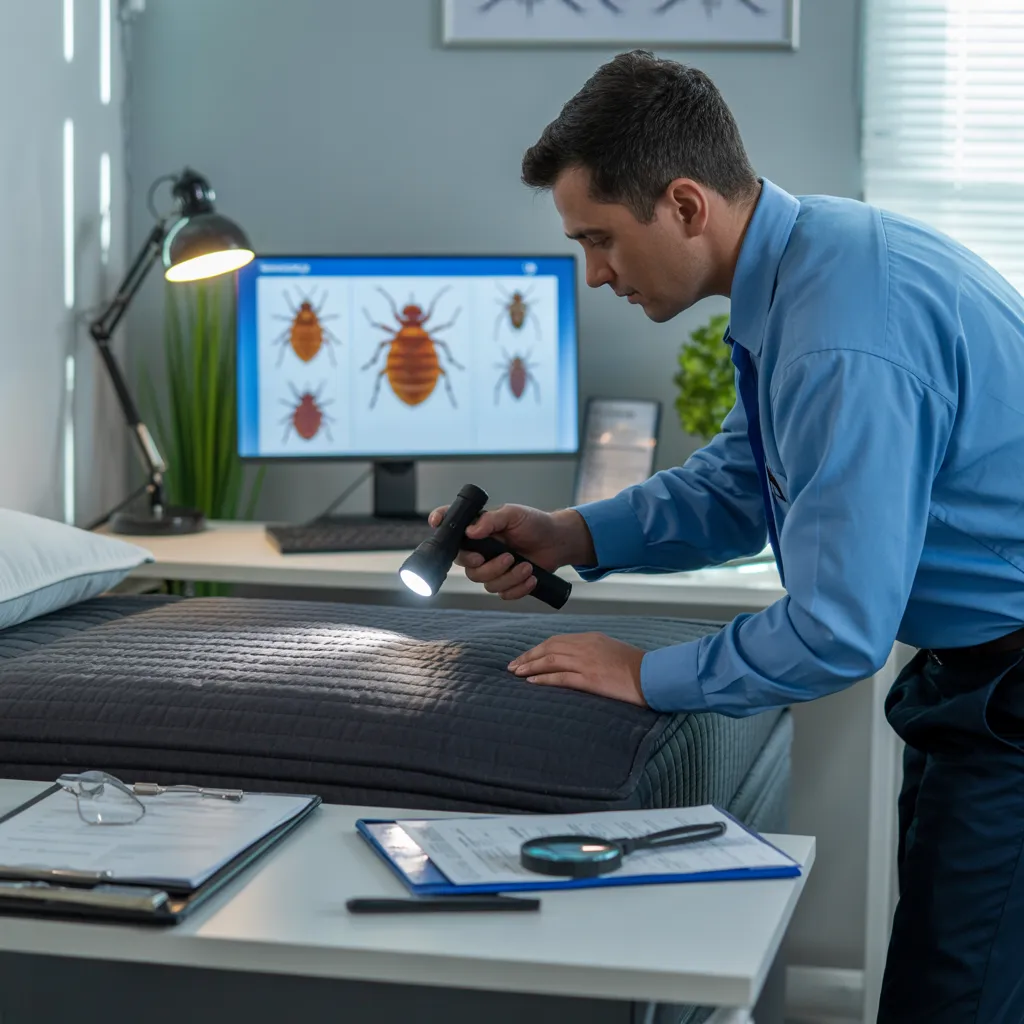
Strategies for Detecting Bed Bug Infestations Quickly
How can someone detect bed bugs before they develop into a significant issue? Early identification is critical in stopping a tiny issue from growing into a full infestation. Signs encompass small brownish-red pests about the size of an apple seed, often nestling in spaces of mattresses, bed frames, and furniture. Additionally, data dark spots on mattresses or walls may indicate bed bug excrement. Regularly inspecting bedrooms is crucial; checking seams, folds, and any nearby clutter can discover hidden pests.
A further indicator is the presence of shed exoskeletons, which bed bugs leave behind as they grow. Mysterious bites on the skin, often grouped in a line or cluster, may also signal their existence. By being vigilant and proactive, individuals can detect potential infestations soon, reducing the need for extensive treatments and ensuring a more pleasant living environment.
reliable DIY Bed Bug Control techniques
When battling bed bug infestations, several reliable DIY treatment solutions can be applied. Holistic treatments, such as essential oils, offer a chemical-free method, while thermal techniques furnish a heat-intensive technique to eliminate pests. These methods can empower people to control bed bug issues without professional help.
Natural Methods for Bed Bugs
Natural treatments for bed bugs offer a range of effective DIY treatment techniques that assist in fighting these persistent pests. A popular strategy is the use of diatomaceous earth, a natural grit that can damage the exoskeletons of bed bugs upon contact, leading to their dehydration. Another way involves using essential oils, such as tea tree oil or lavender, known for their insect-repelling properties. Mixing these oils with water and applying them in infested areas can keep away bed bugs. Furthermore, washing bedding and infested fabrics in hot water followed by thorough drying can eliminate eggs and adult bugs. Regular vacuuming of sleeping areas and furniture also works to reduce bed bug populations successfully, making natural remedies a sound option for treatment.
Steam Application Approaches
While plant-based options present effective options for fighting bed bugs, steam treatment techniques present another formidable DIY solution. These techniques apply high-temperature steam to penetrate surfaces where bed bugs hide away, effectively killing them on contact. A steam cleaner with a nozzle attachment is suitable for targeting infested areas, including mattresses, carpets, and furniture. The steam should reach at least 130°F (54°C) to guarantee effectiveness. It is important to move the nozzle carefully and methodically, allowing the heat to competently remove the pests. Additionally, steam treatment is chemical-free, making it a safe option for households with children and pets. Periodic application can help copyright a bed bug-free environment, complementing other treatment methods for best results.
Safety Tips for Eliminating Bed Bugs at Home
Comprehensive bed bug management calls for deliberate consideration to safety to protect both residents and their belongings. When using chemical treatments, people should consistently consult and comply to product labels meticulously to sidestep dangerous contact. It is essential to provide ventilation in the treated areas adequately, confirming that pets and children are removed throughout treatment and afterwards. Utilizing protective equipment, such as gloves and masks, can curtail exposure with hazardous materials.
Moreover, using heat treatments calls for care; ensuring that temperature-vulnerable items are taken away from the area is critical. For steam treatments, operators should maintain a safe distance from surfaces to avert burns.
Finally, correct removal of contaminated items, such as bedding or clothing, should be performed in sealed bags to prevent spreading the infestation. By following these safety tips, residents can successfully handle bed bug treatment while safeguarding their health and environment.
Signs That Show You Need to Hire Professional Help for Bed Bugs
Residents may be troubled by ongoing bed bug problems despite following safety tips and initial treatment methods. Knowing when to seek expert help is essential for successful control. One significant sign is the persistent presence of bites on exposed skin, notably after treatment attempts. If individuals find live bugs or shed exoskeletons in their bedding or furniture, it reveals a more severe infestation.
Moreover, if DIY methods produce minimal outcomes after several weeks, professional intervention may be required. A strong, musty odor in the home can also suggest a larger problem, as it implies a significant population of bed bugs. Finally, if infestations spread to multiple rooms or neighboring units, urgent expert help is essential to prevent further escalation. Overall, timely action can protect residents from extended suffering and extensive damage to their living space.
Keeping Off Future Bed Bug Outbreaks
To effectively prevent upcoming bed bug problems, staying alert and implementing proactive measures is essential. Frequent checks of bedrooms, furnishings, and luggage can help detect initial indicators of bed bugs before they become a larger problem. Using protective covers on mattresses and box springs can create a barrier that repels these pests.
In addition, reducing clutter in living environments minimizes potential hiding spots. While away from home, it is wise to examine hotel rooms and hold luggage elevated. Washing and drying bedding and clothing on high heat can also destroy any potential hitchhikers.
Ultimately, educating household members about bedbug prevention awareness can be essential; knowing how these pests spread empowers everyone to implement appropriate precautions. By maintaining a forward-thinking mindset and establishing an environment of vigilance, the chance of future pest occurrences can be substantially reduced.
Debunking Common Bed Bug Myths: What You Need to Know
Misconceptions about these insects can prevent effective prevention and eradication efforts. A frequent incorrect idea is that bed bugs infest only soiled homes; in truth, they can survive in any environment, regardless of cleanliness. Another false belief is that bed bugs transmit diseases; this is incorrect; while they may cause irritation and anxiety, they are not known to spread illnesses. Additionally, many believe that extreme temperatures alone can eradicate bed bugs. Although heat treatment can be effective, they require careful execution to guarantee all life stages are completely eliminated. Some also think that home remedies, such as essential oils, are sufficient for treatment. Nonetheless, professional pest control services are usually necessary for thorough extermination. Finally, it is a misunderstanding that these insects only inhabit beds; they can hide in various places, including furniture, clothing, and luggage. Knowing these falsehoods is crucial for the effective management of bed bug infestations.
What to Expect During Bed Bug Treatment
What might one expect during a bed bug service? To begin, a thorough inspection of the infested area is conducted by a professional exterminator. This evaluation helps determine the severity of the outbreak and the most effective eradication techniques. Property owners may be advised to ready their space by decluttering, laundering bedding, and vacuuming carpets.
During the process, several approaches such as heat-based solutions, chemical applications, or a mixture may be deployed. It's necessary for residents to leave the location for safety and optimal results.
Once treatment is completed, a follow-up inspection is ordinarily arranged to establish all bed bugs have been eliminated. Homeowners should remain vigilant, as some eggs may hatch out after treatment concludes. Consistent monitoring and protective actions are important for durable success. Overall, persistence and cooperation the pest control team are essential for securing enduring triumphs in the battle against bed bugs.
Questions People Regularly Ask
Do Bed Bugs endure Extreme Temperatures?
Bed bugs cannot easily tolerate extreme temperatures. Prolonged exposure to temperatures above 120°F (49°C) for at least 90 minutes can kill them, while freezing temperatures below 0°F (-18°C) can also destroy them, given ample exposure time.
Do Bed Bugs Spread Diseases to Humans?
Bed bugs fail to spread diseases to humans. However, their bites can result in discomfort, allergic reactions, and secondary infections due to scratching. Knowledge and quick treatment are essential for managing infestations and associated symptoms.
What Period Can Bed Bugs Remain Alive Without Nourishment?
Bed bugs manage to survive without taking food for quite a few months, often between two to six months under best conditions. Their resilience enables them to tolerate prolonged stretches without a feeding source, complicating pest elimination efforts.
Are bed bugs attracted to specific shade choices?
Bed bugs are primarily attracted to heat and CO2 rather than specific colors. However, some studies suggest they may favor darker shades, possibly because these colors can mimic the hiding spots they usually prefer.
Do pets transfer Bed Bugs Into Your Home?
Your pets can inadvertently transport bed bugs into the home, as these insects may attach to their fur or belongings. Regular brushing and assessment can help reduce the risk of introducing bed bugs through pets.